13th Oct, 2026
Wyoming Fence Installation: Choosing the Right Fence for Your Property
- Aluminum Fences
- Chain Link Fences
- Fences
- Residential Fences
- Commercial Fence
When it comes to protecting your property, improving privacy, and defining boundaries, professional Wyoming fence installation can make a significant difference. Whether you own a home in Cheyenne, manage a commercial property in Casper, or maintain a ranch in a rural part of the state, choosing the right fence is essential for long-term performance and reliability.
Wyoming's climate presents unique challenges for fencing. Strong winds, freezing temperatures, snow, changing weather conditions, and expansive rural properties can all influence the type of fence you need. Selecting the right materials and installation methods can help ensure your fence stands up to local conditions while meeting your property's specific requirements.
Why Professional Wyoming Fence Installation Matters
Installing a fence involves more than setting posts and attaching fencing material. Proper planning, accurate measurements, appropriate post spacing, and secure anchoring all contribute to the strength and durability of the finished fence.
Professional fence installation can help property owners avoid common problems such as leaning posts, sagging gates, uneven fence lines, and premature material deterioration.
An experienced fence contractor can evaluate your property, discuss your goals, and recommend a fencing system suited to your location, budget, and intended use.
Choosing the Right Fence for Wyoming Weather
Wyoming's weather makes material selection particularly important. Wind exposure, snow accumulation, soil conditions, and seasonal temperature changes can affect how a fence performs over time.
Chain Link Fencing
Chain link fencing is a versatile and cost-effective option for residential, commercial, industrial, and agricultural properties. Its open design allows wind to pass through more freely than solid fencing, making it worth considering for exposed locations.
Common applications include backyard enclosures, dog runs, equipment storage areas, commercial properties, and security boundaries.
Galvanized and vinyl-coated chain link options provide different levels of corrosion protection and aesthetic appeal.
Wood Fencing
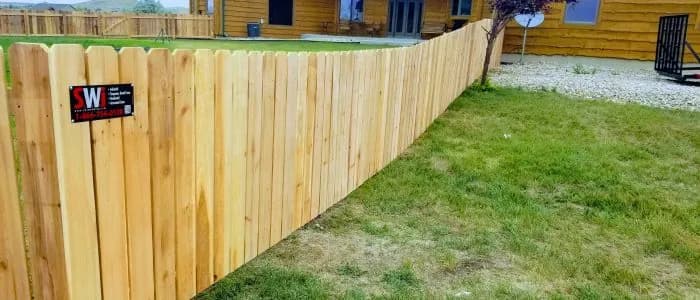
Wood fencing remains popular among homeowners who want privacy, a traditional appearance, or a natural look that complements their property.
Privacy fences can help create a secluded outdoor space, while split-rail and post-and-rail designs may suit larger residential or rural properties.
In windy areas, solid wood fences can experience substantial wind pressure. Proper post sizing, secure installation, and an appropriate design are therefore important considerations.
Vinyl Fencing
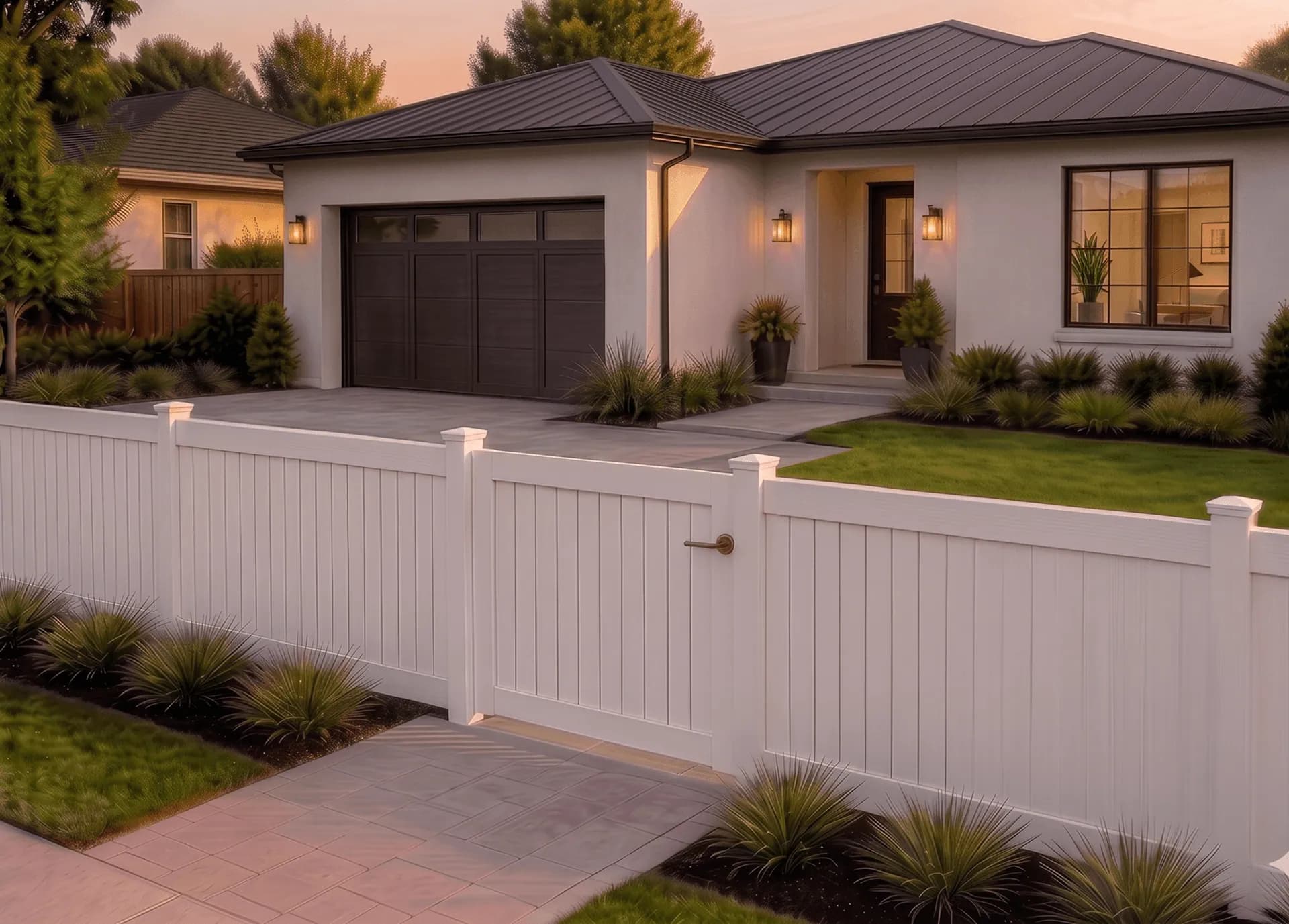
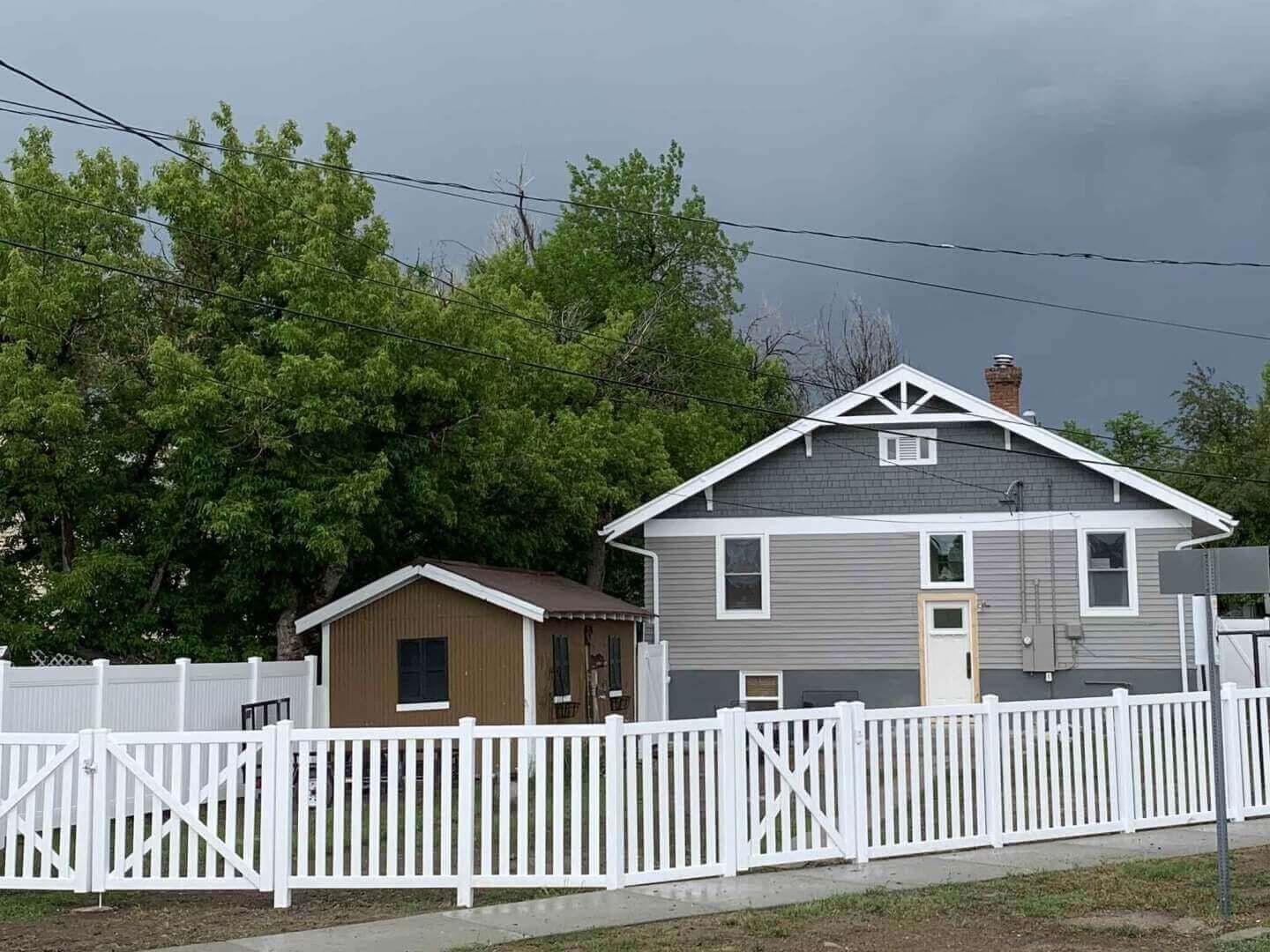
Vinyl fencing offers a clean appearance and generally requires less routine maintenance than wood. It is available in several styles, including privacy, picket, and ranch-style designs.
When considering vinyl fencing in Wyoming, pay attention to product specifications for temperature variation, wind resistance, and installation requirements.
Aluminum Fencing
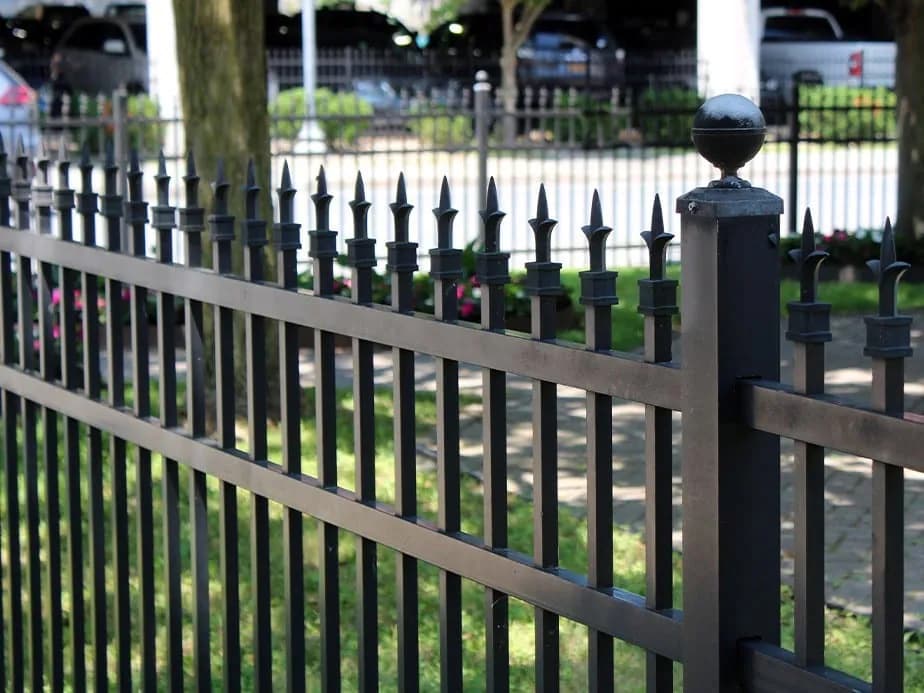
Aluminum fencing can provide an attractive, relatively low-maintenance boundary for residential properties, gardens, pools, and commercial settings.
Its appearance and open design make it suitable for locations where visibility is important. The appropriate system should be selected according to the property's security, weather exposure, and applicable safety requirements.
Agricultural and Ranch Fencing
For Wyoming ranches and rural properties, fencing may need to contain livestock, mark property boundaries, or protect agricultural areas.
Depending on the application, options may include wire fencing, woven wire, high-tensile fencing, barbed wire where lawful and appropriate, and post-and-rail systems.
Fence height, wire spacing, post placement, and overall construction should reflect the animals being contained and the property's terrain.
The Importance of Wind-Resistant Fence Design
Wind is one of the most important factors to consider during Wyoming fence installation. Exposed locations and open landscapes can experience strong gusts that place significant pressure on fence posts, rails, panels, and gates.
A fence designed for a sheltered backyard may not be suitable for an open property with little protection from the wind.
Several factors can influence wind performance:
Fence style: Open designs generally allow more wind to pass through than solid privacy fences.
Post strength: Properly sized posts help support the fence under expected loads.
Post depth: Appropriate embedment and footing design help resist movement.
Material selection: Fence materials should be suitable for the expected environmental conditions.
Gate design: Large gates require appropriate support and hardware.
Installation quality: Proper alignment, fastening, and bracing contribute to long-term stability.
Adding privacy slats or screening to an open fence can increase wind loading. Discuss these additions with your contractor before installation rather than assuming the existing fence can handle the change.
Fence Installation for Residential Properties
A well-designed residential fence can improve privacy, enhance curb appeal, create a safer outdoor area for pets, and define property boundaries.
Before starting your project, consider how you plan to use the fenced area. A privacy fence may be ideal for a backyard, while chain link or ornamental aluminum may be better suited to a front yard or dog enclosure.
It's also important to consider gates, landscaping, drainage, neighboring properties, and future outdoor improvements.
Before digging post holes, identify underground utilities and confirm property boundaries. Check applicable local requirements, including permits, height restrictions, easements, and neighborhood or homeowners association rules.
Commercial Fence Installation in Wyoming
Commercial properties often require fencing that balances security, durability, access control, and maintenance costs.
Warehouses, construction sites, storage yards, parking facilities, and industrial properties may benefit from chain link fencing, security gates, access-control systems, or other specialized fencing solutions.
The best design depends on the site's layout, security objectives, traffic patterns, and exposure to weather.
For larger installations, a site assessment can help determine appropriate fence heights, post spacing, gate locations, and hardware before materials are ordered.
How Much Does Wyoming Fence Installation Cost?
The cost of Wyoming fence installation depends on several factors, and there is no single price that applies to every property.
Common cost considerations include:
Total fence length
Fence height and material
Number and type of gates
Ground conditions and slope
Required post depth and footing design
Removal of an existing fence
Site accessibility
Labor and material availability
Custom features or security requirements
Chain link fencing may be a budget-friendly option for some applications, while privacy fencing, ornamental materials, and specialized ranch or commercial systems may require a larger investment.
When comparing estimates, make sure each quote covers similar materials, installation requirements, gates, hardware, and cleanup. A lower upfront price may not represent the best long-term value if the fence isn't designed for your property's conditions.
What to Expect During the Fence Installation Process
Understanding the installation process can help you prepare for your project.
Step 1: Property assessment. Evaluate the fence line, terrain, access points, soil conditions, and intended use.
Step 2: Material selection. Choose the fence type, height, color, posts, rails, and gates that suit your needs.
Step 3: Planning and preparation. Confirm property boundaries, locate underground utilities, and check applicable permits and restrictions.
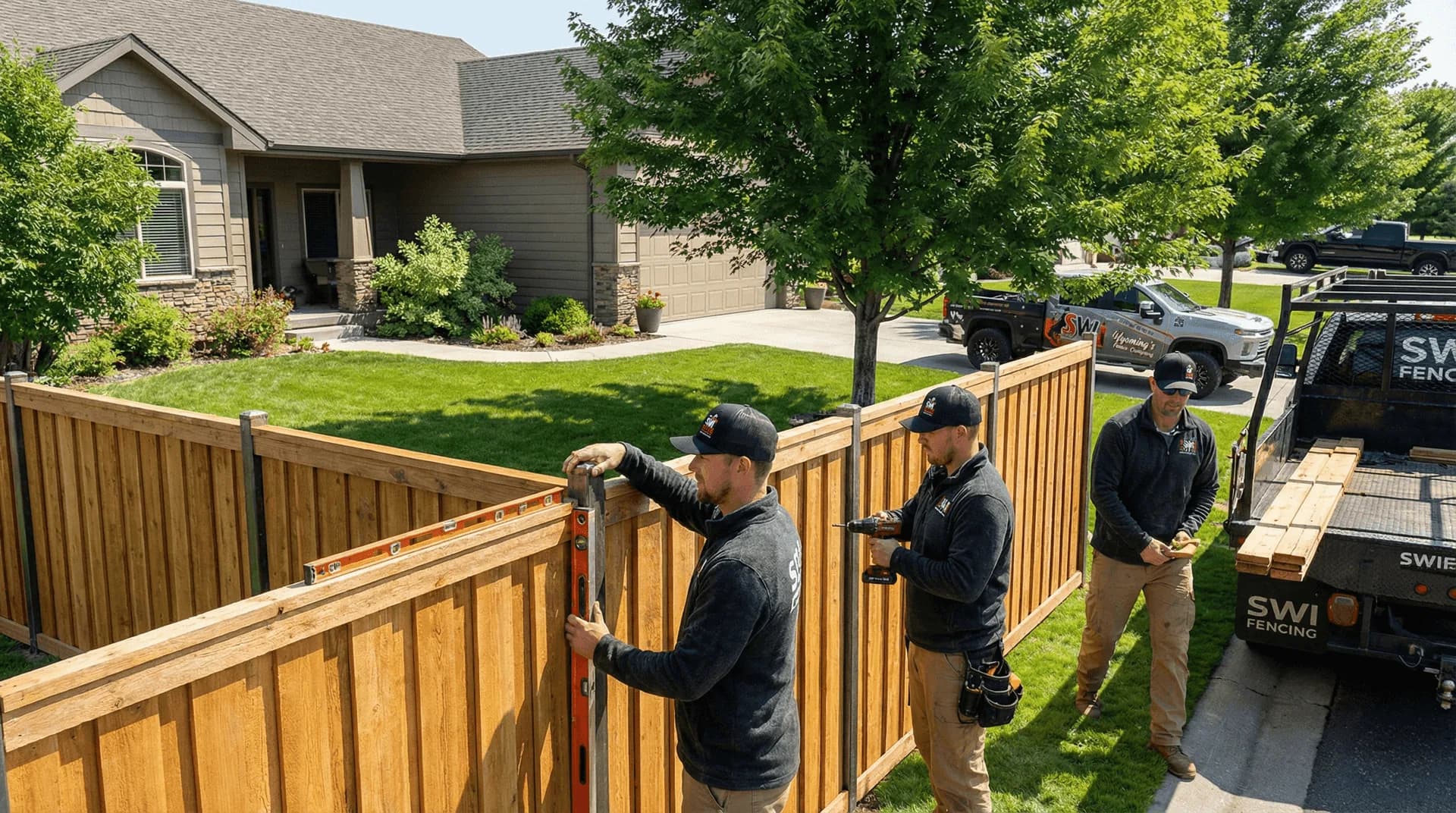
Step 4: Post installation. Install posts using a method appropriate for the fence system, soil, expected loads, and local conditions.
Step 5: Fence assembly. Attach the selected panels, rails, wire, or fabric and install gates and hardware.
Step 6: Final inspection. Check alignment, stability, gate operation, fasteners, and overall workmanship.
Actual installation times vary depending on the size and complexity of the project, weather, and site conditions.
Maintaining Your Fence in Wyoming
Regular inspections can help extend the life of your fence and identify small issues before they become expensive repairs.
Inspect posts for movement, check gates for sagging, tighten loose hardware where appropriate, and look for corrosion, damaged boards, broken wires, or cracked components.
After severe wind or winter weather, check for fallen branches, snow-related damage, and changes in fence alignment.
Wood fences may require periodic staining or sealing, depending on the product and exposure. Metal fences should be checked for damaged coatings and corrosion, while vinyl fencing should be inspected for loose connections and physical damage.
Prompt maintenance can help preserve both the appearance and function of your fence.
How to Choose a Wyoming Fence Contractor
Choosing the right contractor is an important part of a successful fencing project.
Before hiring a company, consider asking:
Does the contractor have experience with my preferred fence type?
Can they explain how the design will handle local wind and weather conditions?
Will they provide a detailed written estimate?
Are materials, gates, hardware, and cleanup included?
Can they provide references or examples of previous work?
Are they appropriately licensed and insured where required?
Who is responsible for permits and utility locating?
A dependable contractor should be willing to explain the proposed installation and help you understand the available options.
Get Started With Wyoming Fence Installation
Whether you're enclosing a backyard, securing a commercial facility, installing fencing around a ranch, or replacing an aging fence, the right solution starts with understanding your property's needs.
Professional Wyoming fence installation can help you choose materials and construction methods suited to the local climate, terrain, and intended use. By considering wind exposure, soil conditions, maintenance requirements, and budget before installation, you can make a more informed investment in your property.
If you're planning a fencing project, contact a qualified local fence contractor to discuss your goals, compare material options, and request an estimate for your property.
Frequently Asked Questions
What type of fence is best for Wyoming weather?
The best option depends on the property and its exposure. Chain link can be a practical choice in windy areas because of its open design, while wood, vinyl, aluminum, and agricultural fencing can also work well when appropriately specified and installed.
How long does fence installation take?
Smaller projects may take a few days, while larger or more complicated installations can take longer. Fence length, terrain, weather, material availability, and gate requirements all affect the schedule.
Do I need a permit to install a fence in Wyoming?
Requirements vary by municipality, county, property type, and fence design. Check with your local building or planning department before beginning construction.
Is chain link fencing a good option for rural properties?
Yes. Chain link can be useful for animal enclosures, equipment areas, property boundaries, and other applications. For large ranches or livestock operations, specialized agricultural fencing may be more suitable.
How can I protect my fence from strong winds?
Choose a fence style appropriate for the site's wind exposure, use properly sized posts and suitable footings, and ensure the entire system is installed according to its specifications. Solid privacy fencing and added screening may require additional structural consideration.
When should I replace my existing fence?
Consider replacement when posts are extensively deteriorated, the fence repeatedly leans, multiple sections are damaged, gates no longer function correctly, or repairs are becoming frequent and costly.

SWi is Wyoming's largest full service fence and automatic gate company with multiple locations to better serve you including Cody, Cheyenne, Jackson, and Powell Wyoming. We are here to help! If you would like to speak with one of our expert fence consultants, get an estimate on your project, or design your fence online for an instant estimate - please visit our Website